Guide 02 / architecture and circulation
Photograph stations without blocking
A strong station photograph does not require the central doorway, platform edge or busiest axis. Use a permitted side position and make the transport route visible.
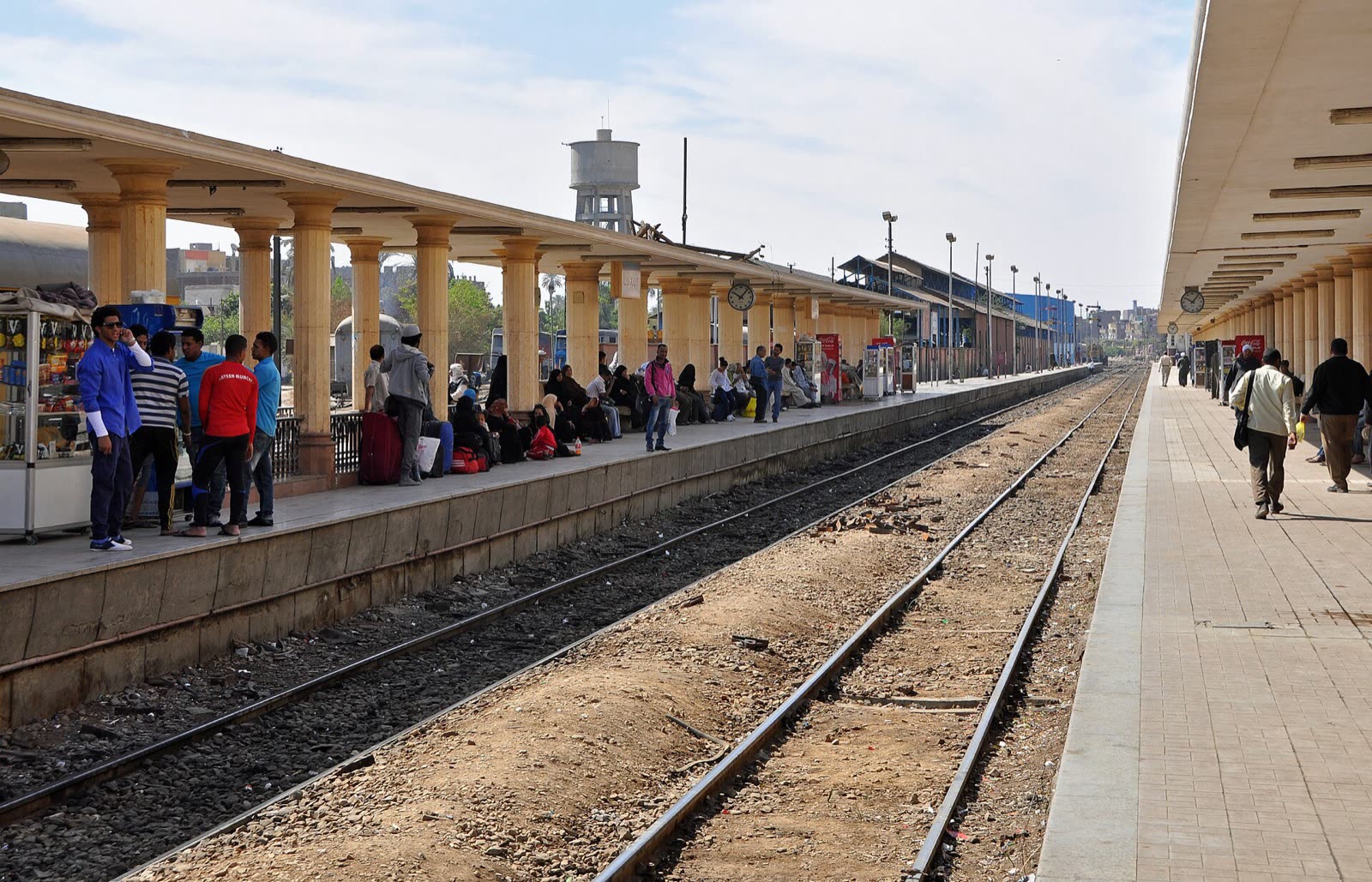

Check whether photography is permitted
Railway rules, signs and staff instructions can vary by place and time. Ask when uncertain and accept refusal. Permission to enter or travel does not automatically include permission to photograph every interior, platform, employee, security process or operational area. Platform Egypt provides no photography authorisation.
Choose the position before the composition
Stand where stopping is allowed and does not narrow a door, queue, stair, ramp, carriage entrance or platform route. Only then select the frame. A side angle often explains a concourse better than a centred view because it shows both architecture and the movement passing through it.
Ten-second position test
Can a person with luggage pass on both sides? Are you behind the current safe boundary? Are you outside staff and security work? If any answer is unclear, move or put the camera away.
Keep the platform edge out of the pose
Do not step closer to active track space, lean beyond a boundary or ask another person to stand near the edge for scale. Use columns, benches and canopy repetition from a safe interior position. A longer focal length can isolate a detail, but remember that it compresses distance in the published image.
Make people subjects only with consent
Passengers and workers are not automatic foreground material. Ask before making an identifiable person the clear subject and explain likely publication. Do not photograph documents, tickets, screens with personal data, payment or private conversations. Children require appropriate guardian permission and the child’s comfort.
Do not direct station work
Never ask staff to repeat a signal, hold a door, look away from a task or move equipment for the image. Do not stage luggage in circulation or request that a passenger delay boarding. A less symmetrical frame is the correct result when real work sets the limit.
Use short, hand-held pauses
Tripods, stands and prolonged shooting occupy space and may be prohibited. Unless specific permission supports another setup, make a small number of hand-held frames from a stable public position. Lower the camera whenever a crowd, train arrival or announcement requires full attention.
Caption the photograph’s date boundary
Name the station and visible structures only when the source supports them. A platform number, entrance or barrier in the image should not become present travel advice. If publishing later, make clear that the photograph documents its own moment and direct readers to current responsible sources for operations.
Review the entire frame
Before sharing, inspect faces, documents, screens, security positions, vehicle identifiers and location details. Crop or withhold the image when consent or permission did not cover them. Preserve the creator credit and licence information for any reused Creative Commons image.
Good station photography is spatially honest. It shows how structure and movement coexist while allowing passengers and staff to keep moving. The camera records the route from outside it.