Guide 01 / repeated confirmation
How to plan a station day
Prepare stable personal details in advance, then recheck every schedule, platform and access fact through responsible current sources.

Write the journey as identifiers
Keep the travel date, origin station, destination station, train or service identifier where applicable, class, passenger names and booking reference together exactly as supplied by the responsible source. Similar place names and varying transliterations make a vague note such as “Cairo to south” unsuitable. Platform Egypt cannot confirm any ticket or service.
Check current rules before travel
Confirm purchase method, ticket format, identification or documentation requirements, luggage rules, station access and any passenger-specific conditions. Save or carry information in a form that remains available if a battery, connection or application fails, while protecting personal data from casual display.
Three confirmation moments
Before leaving accommodation → at the station information layer → before entering the train. A fact that can change should be checked again rather than memorised from an old guide.
Plan the route to the correct station
Use the full current station name and confirm the intended public entrance. A city may contain several rail or transit places, and a photo of the main façade does not identify today’s drop-off or screening route. Share the destination precisely with any transport provider without relying on a landmark that may have changed.
Choose an individual arrival margin
No single number works for every station day. Consider unfamiliar streets, traffic variability, screening, luggage, children, mobility, ticket collection and the time needed to read signs. Build a margin appropriate to the group and current guidance, then avoid turning one successful arrival into advice that everyone can safely arrive the same number of minutes early.
Reduce decisions at the entrance
Keep the required document and journey summary accessible before joining the current entry route. Secure loose bags, agree on a meeting point outside circulation, and know what to do if the group separates. Follow signs and staff direction instead of approaching whichever doorway looks central in a historic photograph.
Confirm before committing to a platform
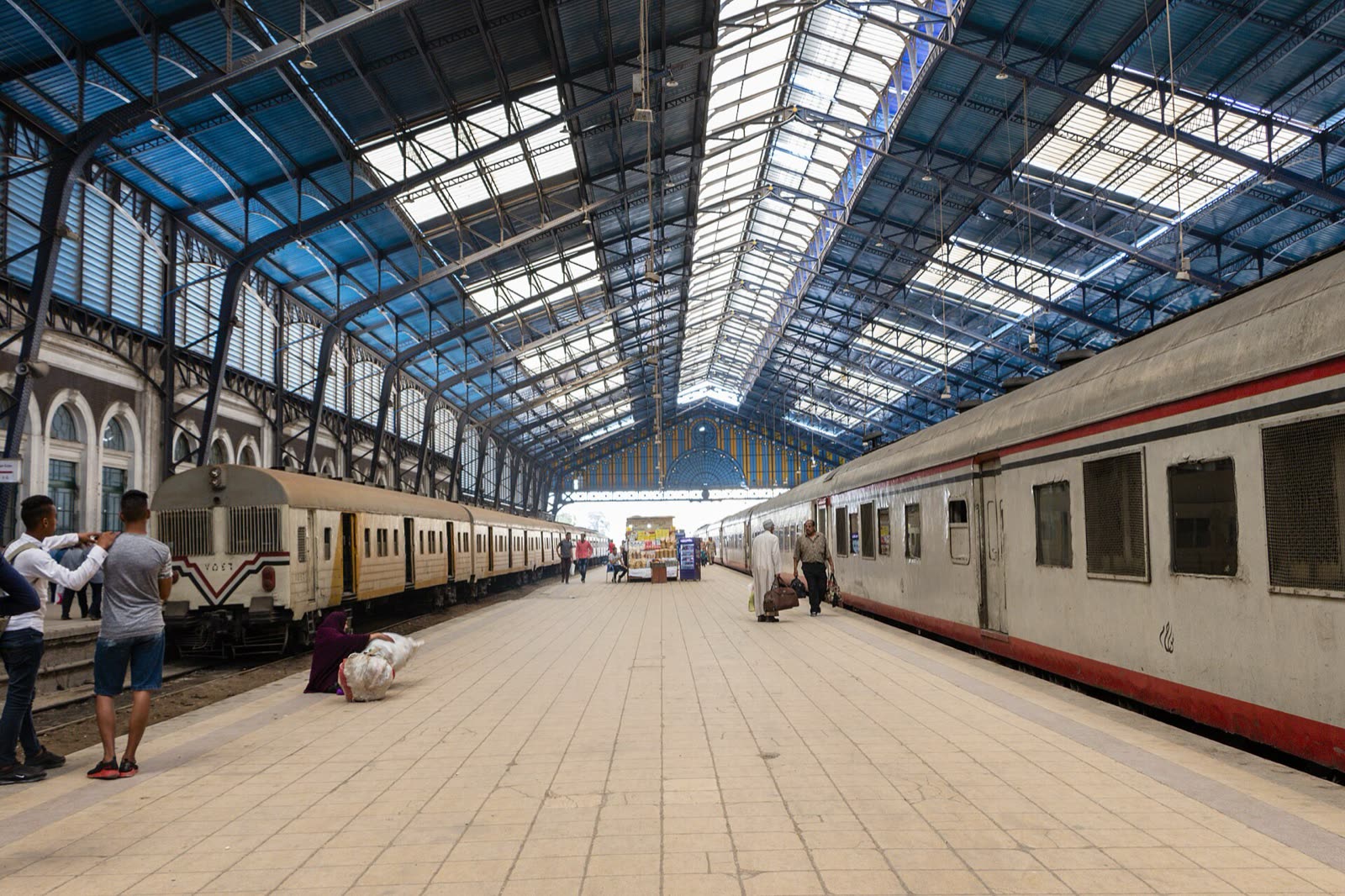
Read current displays and announcements, compare them with the intended journey and ask when uncertain. Do not cross tracks, enter restricted passages or follow another passenger through a controlled door. A platform can change, and an empty train may not be the service described on the ticket.
Board as a movement sequence
Stand behind the applicable safe boundary, keep doors clear and let exiting passengers move first. Match current train and carriage information where relevant. Lift or roll luggage without blocking the edge; if assistance is needed, seek an appropriate current service rather than asking a stranger to handle personal documents or valuables.
Prepare the arrival too
Write the destination station and a responsible onward plan. Arrival exits, pickup positions and local connections may change, so reconfirm them near the end of the journey. Choose a fallback meeting point and avoid publishing precise real-time travel details unnecessarily.
A good station plan does not pretend to control the railway. It carries the stable identifiers clearly, creates time for the traveller’s needs and places three deliberate confirmation points between accommodation and carriage.